

| State of Minnesota Geography Educational Resources |
|---|
| Capital City: Saint Paul — Most Populous City: Minneapolis |
| www.studenthandouts.com ↣ Geography ↣ Northern America ↣ U.S.A. ↣ U.S. Midwest ↣ Minnesota Geography |
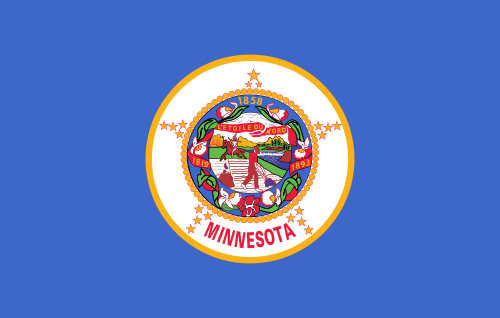 | 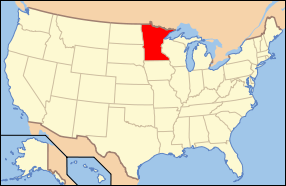 | 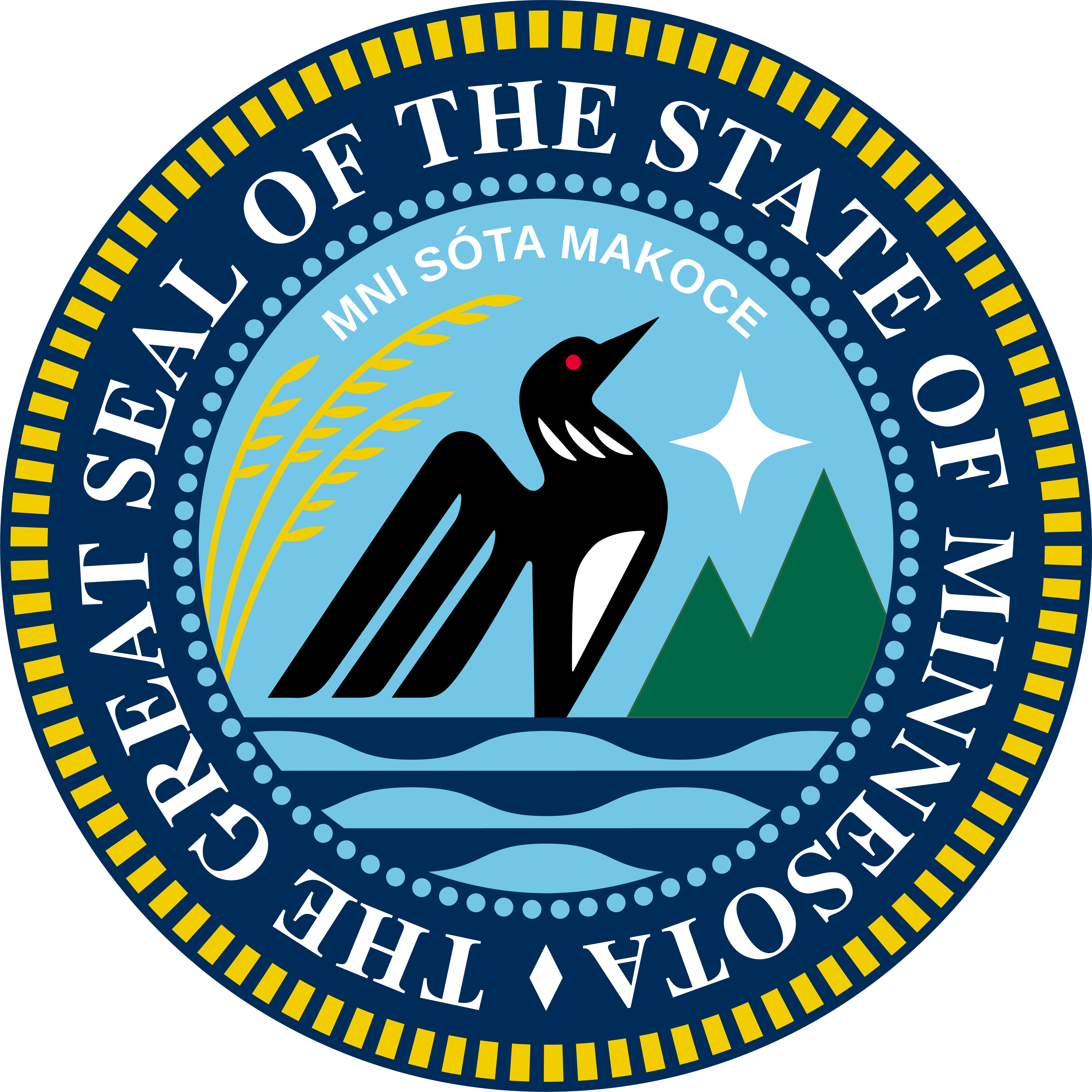 |  | |||||||
| Minnesota State Flag | Minnesota Location Map | Minnesota State Seal | Minnesota Notebooking Facts Worksheet |
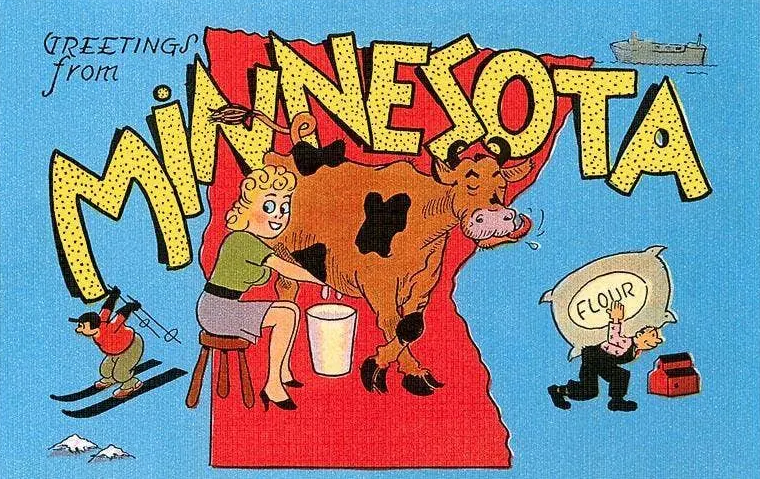 Teaching students about the geography of Minnesota is an enriching way for K-12 educators to connect science, history, economics, and environmental studies. Known as the "Land of 10,000 Lakes," Minnesota offers a wide variety of natural features that help students understand how geography shapes communities, industries, and daily life. Minnesota's landscape includes forests, prairies, rolling hills, rivers, and thousands of lakes. The Mississippi River begins its journey to the Gulf of Mexico at Lake Itasca in northern Minnesota. This important river provides opportunities to explore waterways, transportation, trade, and the movement of water across the continent. Students can also study Lake Superior, the largest of the Great Lakes by surface area, which forms part of Minnesota’s northeastern border. The state's climate creates additional learning opportunities. Minnesota experiences cold, snowy winters and warm summers. Students can examine how seasonal changes affect plants, animals, farming, transportation, and recreation. They can also investigate how communities prepare for winter weather and how changing temperatures influence local ecosystems. Minnesota's geography has helped shape its economy. Fertile soils support agriculture, including the production of corn, soybeans, and wheat. Forests provide resources for the timber and paper industries, while rivers and lakes support fishing, shipping, and tourism. The Twin Cities of Minneapolis and Saint Paul form a major urban center where transportation, business, education, and manufacturing contribute to economic growth. Studying these industries helps students understand the connections between natural resources and human activity. Minnesota also provides valuable lessons about conservation. Its lakes, wetlands, and forests support many kinds of wildlife, including loons, deer, black bears, and wolves. Students can learn why protecting clean water, preserving habitats, and managing natural resources responsibly are important for future generations. The state's geography is closely connected to its human history. Indigenous peoples, including Dakota and Ojibwe communities, have longstanding relationships with Minnesota’s lands and waters. Later, European settlement, farming, mining, and urban growth changed many parts of the state. By studying Minnesota's geography, students strengthen their map-reading skills, develop environmental awareness, and gain a deeper understanding of regional diversity. These lessons encourage curiosity and show how geography influences history, culture, economic activity, and the world around us. |
| www.studenthandouts.com ↣ Geography ↣ Northern America ↣ U.S.A. ↣ U.S. Midwest ↣ Minnesota Geography |