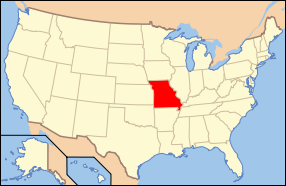
Teaching students about the geography of Missouri is a valuable way for K-12 educators to connect geography with history, science, economics, and environmental studies. Located in the American Midwest, Missouri has a varied landscape that includes rolling plains, forests, hills, rivers, and fertile farmland. Studying these features helps students understand how the natural environment influences where people live, how communities grow, and how businesses operate.
 Missouri is especially important because of its major rivers. The Missouri River crosses the state, while the Mississippi River forms much of its eastern border. These waterways have supported transportation, trade, farming, and settlement for centuries. Teachers can use maps to show how rivers connect communities and move goods between regions. Students can also explore the Ozark Mountains in southern Missouri, where hills, caves, springs, and forests provide opportunities to study landforms and ecosystems.
The state's climate offers additional learning opportunities. Missouri experiences four distinct seasons, with hot summers, cold winters, and changing weather conditions throughout the year. Students can examine how temperature and rainfall affect agriculture, wildlife, and daily life. They can also learn about severe storms, flooding, and the importance of preparing for natural hazards.
Missouri's geography has helped shape its economy. Farmers grow crops such as corn and soybeans, while livestock production supports the agricultural industry. Manufacturing, transportation, mining, and tourism also contribute to the state's economy. Cities such as St. Louis and Kansas City developed as important centers of trade and business because of their locations and transportation connections. The Lake of the Ozarks and the state's parks attract visitors who enjoy outdoor recreation.
Geography lessons can also introduce students to Missouri's rich history. Indigenous peoples lived in the region long before European settlement. Later, rivers helped explorers, traders, and settlers travel through the area. Missouri became the twenty-fourth state in 1821 and played an important role in westward expansion.
By studying Missouri's geography, students strengthen map-reading skills, learn about natural resources, and discover how physical features influence history, culture, and economic growth. These lessons encourage curiosity and help young people better understand the world around them.
|





 Missouri is especially important because of its major rivers. The Missouri River crosses the state, while the Mississippi River forms much of its eastern border. These waterways have supported transportation, trade, farming, and settlement for centuries. Teachers can use maps to show how rivers connect communities and move goods between regions. Students can also explore the Ozark Mountains in southern Missouri, where hills, caves, springs, and forests provide opportunities to study landforms and ecosystems.