

| South Dakota Geography Educational Resources |
|---|
| Capital City: Pierre — Most Populous City: Sioux Falls |
| www.studenthandouts.com ↣ Geography ↣ North America ↣ U.S.A. ↣ American Midwest ↣ South Dakota Geography |
 |  | 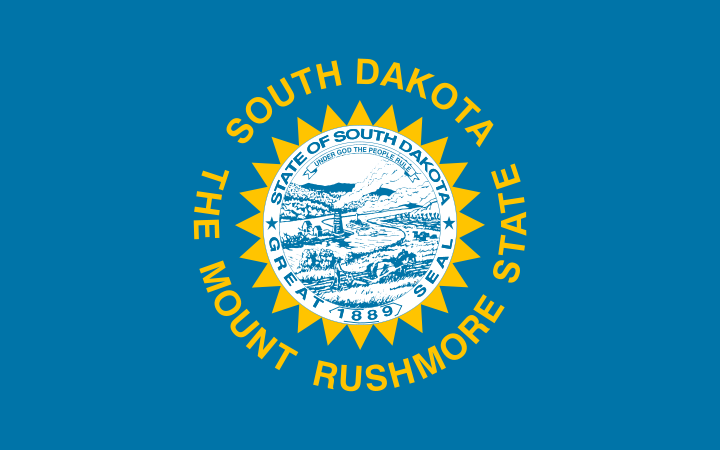 | 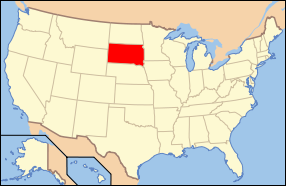 | 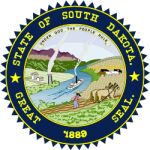 | ||||||
| Mount Rushmore Worksheets and Pictures | South Dakota Notebooking Worksheet | South Dakota State Flag | South Dakota Position Map | South Dakota State Seal |
Teaching students about South Dakota's geography gives K-12 educators a rich and engaging way to connect maps, culture, and science. This beautiful state offers lessons that are both memorable and meaningful.
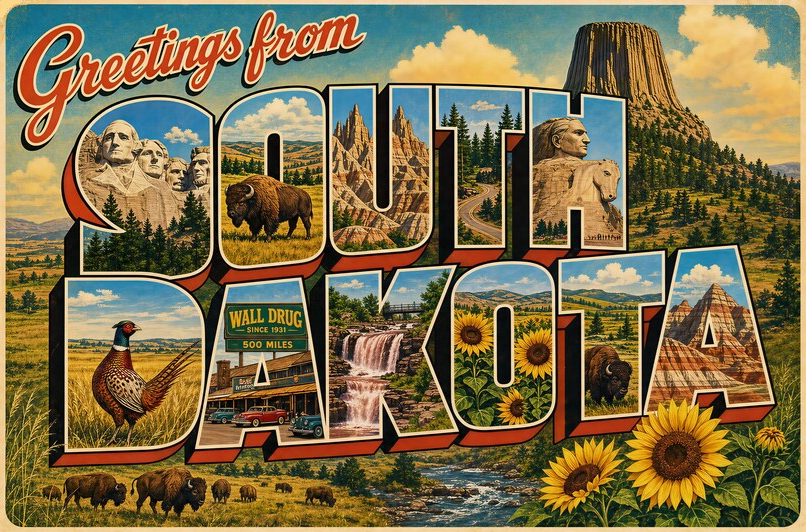 South Dakota is located in the heart of the Great Plains, right in the middle of the United States. It borders North Dakota, Minnesota, Iowa, Nebraska, Wyoming, and Montana. This central location makes it a crossroads for agriculture, travel, and culture. Students can learn how geography shapes where people live and how they work. The state has a diverse landscape. It features rolling prairies, fertile farmland, and the rugged Black Hills. Students can explore how these features affect farming, ranching, and tourism. South Dakota is also home to the Badlands, with dramatic rock formations carved by erosion over millions of years. The Missouri River cuts through the state, providing water and transportation. South Dakota is rich in cultural heritage. It is home to nine Native American tribes, including the Lakota, Dakota, and Nakota. The state also has strong German, Scandinavian, and Czech influences. Geography lessons naturally lead to discussions about language, traditions, and respect for different ways of life. Students can learn about sacred sites like the Black Hills and the importance of protecting them. Environmental topics add another layer. Droughts, wildfires, and extreme weather affect farms and communities. These lessons connect geography to science, current events, and civic responsibility. Natural resources like agriculture, mining, and tourism are important to South Dakota's economy. Students can discuss how these resources are used and protected. Finally, learning about South Dakota builds curiosity and global awareness. Many classrooms include students with ties to the Great Plains, so these lessons can feel personal and meaningful. In short, South Dakota is a fantastic teaching tool for K-12 kids! Its prairies, badlands, and cultures bring geography to life. When educators include South Dakota in their lessons, they help students become more informed, caring, and globally aware citizens. |
| www.studenthandouts.com ↣ Geography ↣ North America ↣ U.S.A. ↣ American Midwest ↣ South Dakota Geography |