Teaching students about the geography of Wisconsin is a valuable way for K-12 educators to connect geography with science, history, economics, and environmental studies. Located in the Upper Midwest, Wisconsin features forests, rolling hills, fertile farmland, rivers, and thousands of lakes. Studying these landscapes helps students understand how the natural environment influences communities, industries, and everyday life.
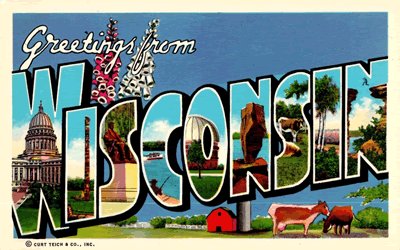 Wisconsin's location between Lake Superior and Lake Michigan makes it especially interesting to study. These Great Lakes provide freshwater, support fishing and shipping, and attract visitors throughout the year. The state also contains the Wisconsin River, which has helped support transportation, industry, and recreation. In northern Wisconsin, forests and lakes provide habitats for wildlife such as deer, black bears, and loons. Students can explore how landforms and water systems shape ecosystems and influence where people settle.
Wisconsin's climate offers additional learning opportunities. The state experiences cold, snowy winters and warm summers. Students can investigate how seasonal changes affect farming, transportation, wildlife, and outdoor activities. They can also learn about protecting water quality, preserving forests, and responding to environmental challenges.
Geography plays an important role in Wisconsin's economy. The state is known for dairy farming and cheese production, but farmers also grow corn, soybeans, and other crops. Manufacturing is another major industry, producing machinery, food products, paper, and transportation equipment. Lakes, forests, and outdoor recreation areas also support tourism. Cities such as Milwaukee and Madison provide opportunities to study urban growth, transportation, education, and business.
Wisconsin's geography is closely connected to its history and cultural heritage. Indigenous nations, including the Ho-Chunk, Menominee, Ojibwe, and Potawatomi, have longstanding ties to the region. Later, European settlers established farms, trading centers, and industrial communities. The state became part of the United States in the nineteenth century and joined the Union in 1848.
By studying Wisconsin, students strengthen map-reading skills, develop environmental awareness, and discover how geography shapes history, culture, and economic activity. These lessons encourage curiosity and help young people better understand the connections between people and the places they inhabit.
|



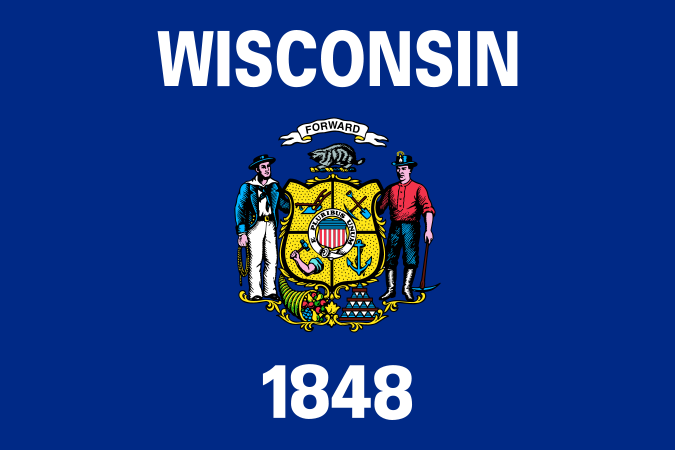
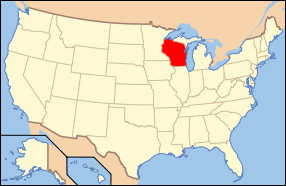


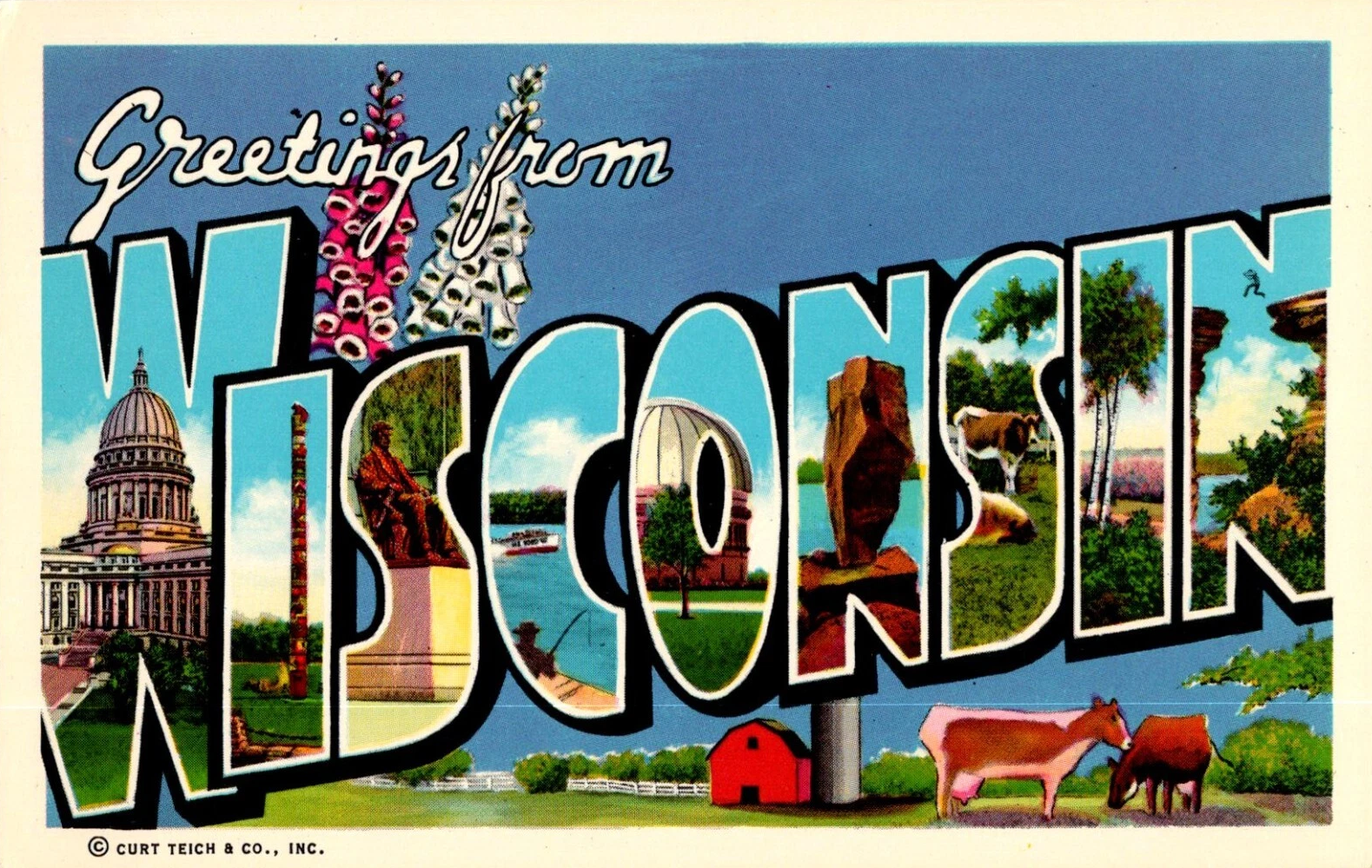 Wisconsin's location between Lake Superior and Lake Michigan makes it especially interesting to study. These Great Lakes provide freshwater, support fishing and shipping, and attract visitors throughout the year. The state also contains the Wisconsin River, which has helped support transportation, industry, and recreation. In northern Wisconsin, forests and lakes provide habitats for wildlife such as deer, black bears, and loons. Students can explore how landforms and water systems shape ecosystems and influence where people settle.