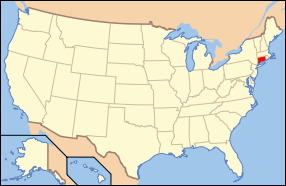
Teaching students about the geography of Connecticut is a valuable way for K–12 educators to connect geography with history, science, economics, and environmental studies. Located in the northeastern United States, Connecticut is part of New England. Although it is one of the country's smallest states, it offers a variety of landscapes, including coastal areas, rolling hills, forests, river valleys, and fertile farmland. Studying these features helps students understand how geography influences communities and daily life.
Connecticut's physical geography provides many opportunities for classroom learning. Long Island Sound forms its southern border and connects the state to the Atlantic Ocean. The coastline supports fishing, boating, tourism, and trade. The Connecticut River flows through the state from north to south, providing water for communities and helping shape the surrounding landscape. In the northwest, the Berkshire Mountains and other upland areas feature hills, forests, and scenic valleys. Teachers can use maps and photographs to help students compare these regions and understand how landforms develop.
The state's climate offers additional learning opportunities. Connecticut experiences four distinct seasons, with warm summers, cold winters, and changing weather throughout the year. Students can explore how seasonal changes affect plants, wildlife, farming, transportation, and recreation. They can also learn about coastal storms, flooding, and the importance of protecting natural habitats.
Geography has influenced Connecticut's economy throughout its history. Manufacturing has long been important, especially in industries producing machinery, aircraft engines, and other advanced equipment. Agriculture includes dairy farming, vegetables, apples, and nursery plants. The coastline and historic towns also attract visitors, supporting tourism and local businesses. Cities such as Hartford and New Haven provide opportunities to study transportation, education, business, and urban development.
Connecticut's geography is closely connected to its history. Indigenous peoples, including the Mohegan, Pequot, and other Native nations, have longstanding ties to the region. European settlement later brought farming, trade, and growing towns. Connecticut became the fifth state to join the United States in 1788.
By studying Connecticut, students strengthen map-reading skills, develop environmental awareness, and discover how geography shapes history, culture, and economic activity. These lessons help young people better understand the relationship between people and their environment.
|