Alexander the Great, born in 356 B.C. in Pella, Macedonia, was the son of King Philip II and Queen Olympias. Tutored by the philosopher Aristotle, Alexander received an exceptional education that shaped his intellect and strategic thinking. At the age of 20, following the assassination of his father, Alexander ascended to the Macedonian throne and swiftly consolidated his power.
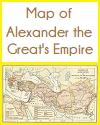
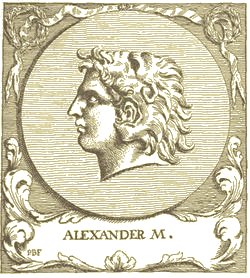 Alexander embarked on his ambitious campaign to conquer the Persian Empire in 334 B.C., starting with victories at the Battle of Granicus and continuing with significant triumphs at Issus and Gaugamela. His tactical genius and charismatic leadership enabled him to overcome formidable Persian armies and capture key cities such as Sardis, Tyre, and Babylon. By 330 B.C., Alexander had effectively dismantled the Persian Empire, claiming its vast territories.
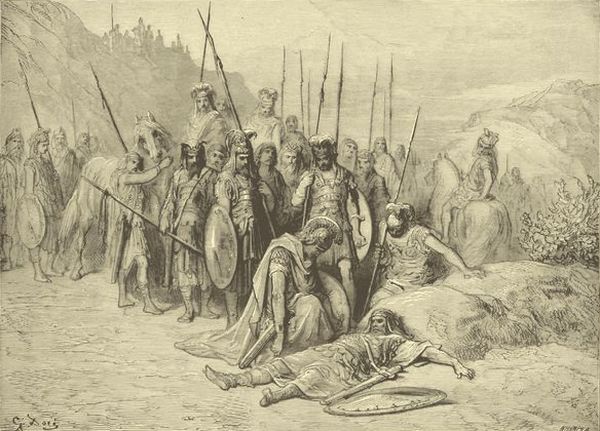
Beyond Persia, Alexander's conquests extended into Egypt, where he founded the city of Alexandria, and further east into Central Asia and the Indian subcontinent. His encounter with King Porus at the Battle of the Hydaspes River showcased his relentless ambition and adaptability. Despite facing challenging geographical and climatic conditions, Alexander's campaigns never ceased until his troops, weary and longing for home, compelled him to return.
In 323 B.C., Alexander died in Babylon at the age of 32, under mysterious circumstances, possibly due to fever, poisoning, or other causes. His death left a vast empire without a clear successor, leading to its fragmentation. Despite his short life, Alexander's legacy endured, profoundly influencing the cultural and political landscapes of the ancient world and blending Greek and Eastern cultures in what became known as the Hellenistic Era.
|