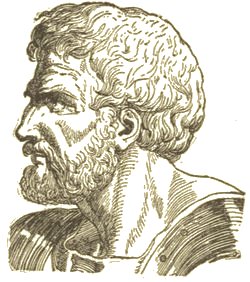
 Gaius Marius (157-86 B.C.E.) is an important figure for students because his life marks a critical turning point in Roman history that directly connects to the rise of Julius Caesar, whom many students already know.
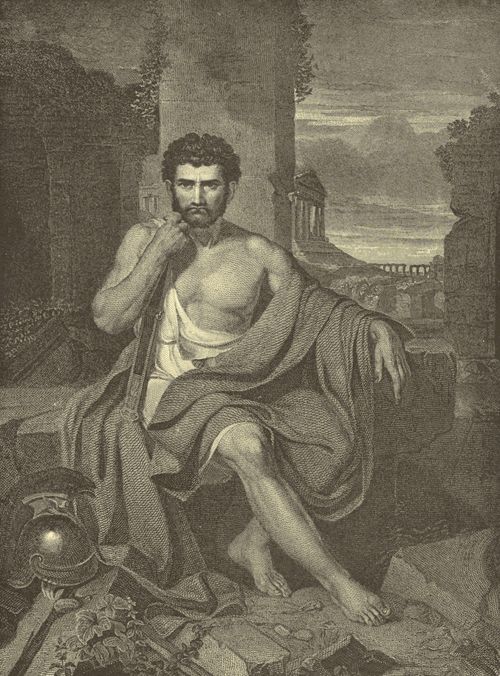 Rising from a humble background as a "new man" to an unprecedented seven consulships, Marius revolutionized the Roman army by allowing landless citizens to enlist, creating Rome's first professional standing army.
His military victories—defeating Jugurtha in Africa and saving Rome from the massive Cimbri and Teutone invasions—earned him the title "third founder of Rome."
However, these reforms came at a cost. By binding soldiers to their generals rather than the state, Marius inadvertently set the stage for the civil wars that ultimately destroyed the Roman Republic. His rivalry with Sulla and his bloody return to power late in life offer a powerful lesson in how military reform and political ambition can destabilize a democracy.
|