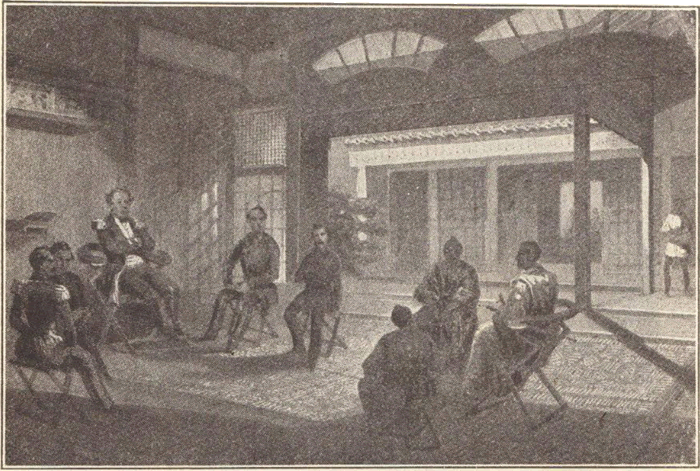
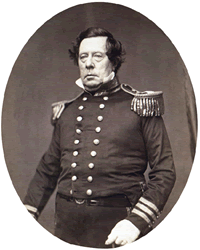
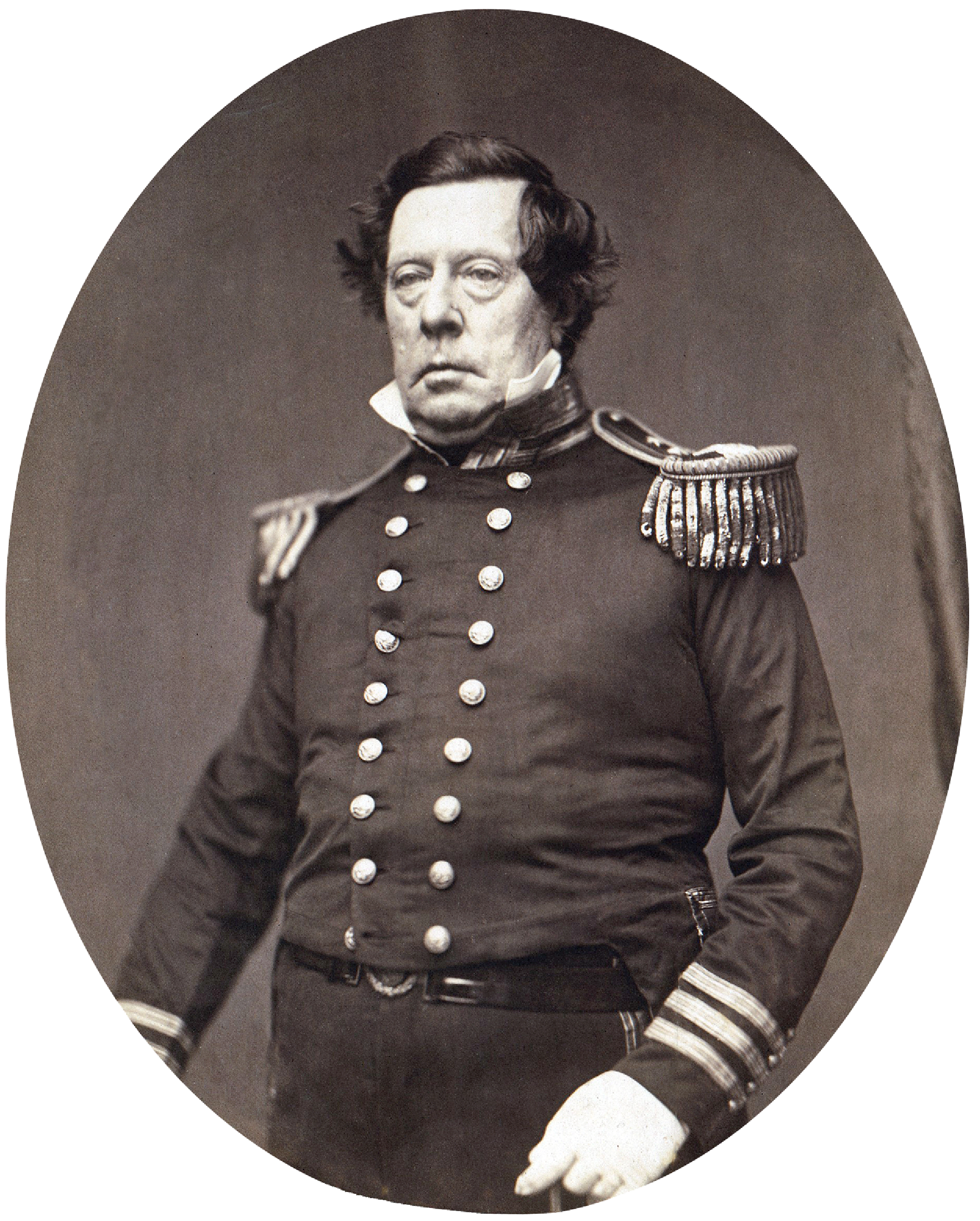
 eaching K-12 students about Commodore Matthew Perry is valuable because his story shows how one meeting between two countries can change the world. Perry was an American naval officer who sailed to Japan in 1853 and helped open the country to trade with the West after more than 200 years of isolation.
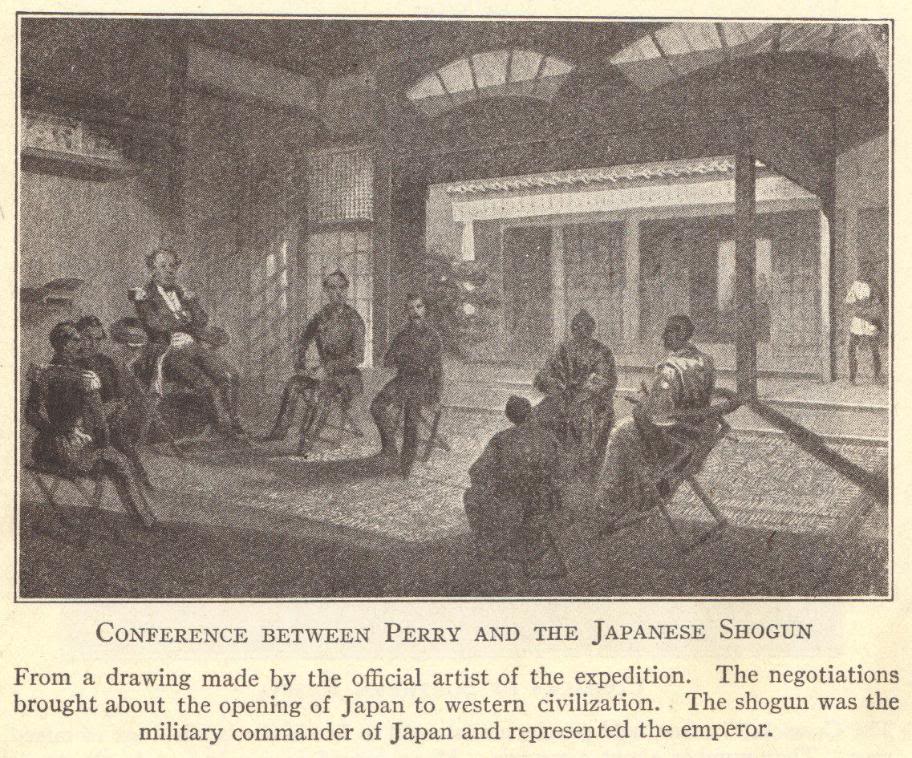
Perry's story helps students understand cause and effect in history. Japan had kept itself closed off from most foreign countries for a very long time. Perry arrived with four warships, sometimes called the "black ships," and demanded that Japan open its ports. The Japanese leaders felt they had little choice but to agree. This led to the Treaty of Kanagawa in 1854, which allowed American ships to get supplies and helped shipwrecked sailors. Students can see how one event led to big changes.
 Learning about Perry helps students understand how Japan became a modern power. After opening to the West, Japan went through huge changes. The country ended its feudal system, built new industries, and created a modern military. Within a few decades, Japan transformed from an isolated nation into a world power. Perry's visit was the spark that started this transformation.
Perry's story teaches students to think about different points of view. In the United States, Perry was seen as a hero who opened trade. In Japan, the "black ships" were frightening and humiliating. Teachers can ask students: Was Perry a hero or a threat? This helps students learn that history looks different depending on who is telling the story.
Perry's voyage is a memorable story about ships, courage, and big changes. It helps pupils see how countries connect and how the modern world began to take shape.
Learning Extension: Have students research how Perry's visit set Japan on a path to avoid being imperialized and instead become an imperial power in its own right.
|



 Learning about Perry helps students understand how Japan became a modern power. After opening to the West, Japan went through huge changes. The country ended its feudal system, built new industries, and created a modern military. Within a few decades, Japan transformed from an isolated nation into a world power. Perry's visit was the spark that started this transformation.