Teaching World War I with a wide variety of educational materials is beneficial because it helps high school students understand a conflict that was global, complex, and deeply human. The war involved dozens of countries, new technologies, and millions of soldiers and civilians, so no single textbook can capture it fully. Using diverse materials lets teachers reach students with different learning styles and interests.
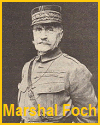
Primary sources like letters, diaries, and photographs bring the war to life. Students can read the words of soldiers in the trenches or see images of life on the home front. Maps and infographics help them understand geography, alliances, and how the war spread across continents. Films, documentaries, and even war poetry offer emotional and artistic perspectives that facts alone cannot provide. Music, propaganda posters, and political cartoons show how countries persuaded citizens to support the war.
Multimedia resources like interactive timelines, virtual museum tours, and podcasts make learning engaging for students who respond to visual and digital content. Simulations and role-playing activities help students grasp difficult decisions leaders faced. Comparing materials from different countries also teaches students to think critically about bias and perspective.
For high school students, studying World War I this way builds research skills, empathy, and historical thinking. It shows that history is not just dates and battles but real people, difficult choices, and lasting consequences. A varied approach makes the war memorable and helps students connect it to today's world.
|